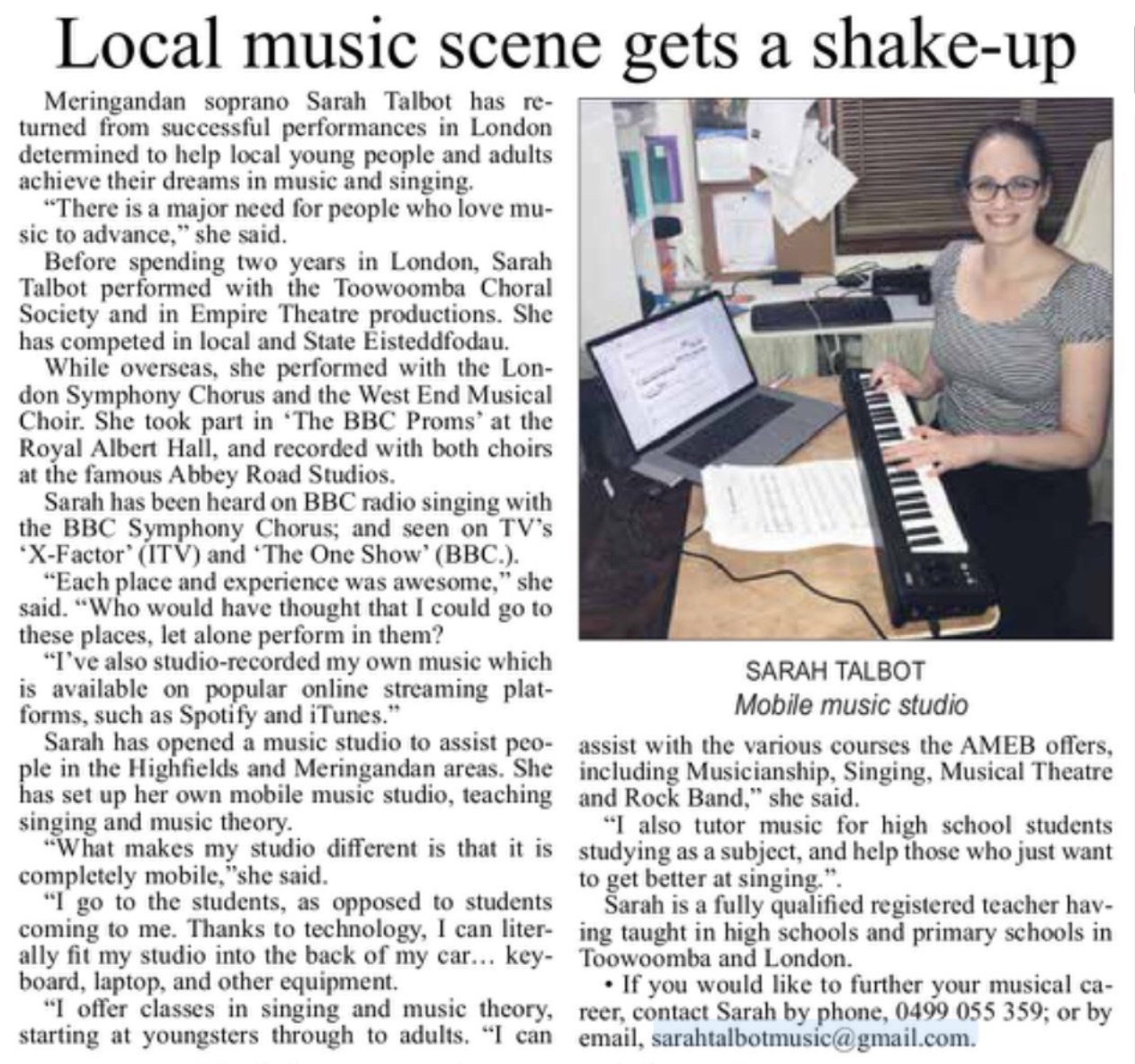
I’m staring up my own mobile music studio. Published in the High Country Herald, on 5th March 2019.
Soprano, Musician, Composer, Teacher, listener
I’m staring up my own mobile music studio. Published in the High Country Herald, on 5th March 2019.
I am slowly adjusting back to Australian life, after living in London for 2 years. I have to get used to a country that can have bush fire, flash flood, dust storms and snow storms….at the same time, as opposed to a country which is either wet or dry.
My songs that I recorded in London have now been released on Spotify, iTunes, Apple Music, and Amazon Music (has been released on other platforms such as Deezer and Pandora). Please follow me, if you haven’t already. There will be more music released in the future, either by myself or through other artists (I’m assisting other artists by providing cinematic vocals). I have to admit that it is little weird seeing myself on Spotify. Being able to mix in playlists with the big names.

Performing-wise, I’ve been accepted into the Brisbane Chorale. The normal process (so I’ve been told) is that I should attend two rehearsals to decide if I liked the group, then audition. Well, I went to the first rehearsal, then at the mid-way break, I was asked if I would audition. Five minutes later, I’m a member of the choir, as a Soprano (1st and 2nd, as repertoire needs dictate). So once a week, I will travel to Brisbane for rehearsals at the Queensland Conservatorium. The Chorale perform mainly with the Queensland Symphony Orchestra and Queensland Philharmonic Orchestra. Venues include the Brisbane City Hall and the Queensland Performing Arts Complex (Southbank). I’ll try to keep my website updated with Events, and Venues, etc. on the Homepage.
Thank you for all the congradulatory messages I received from both London and Australia.
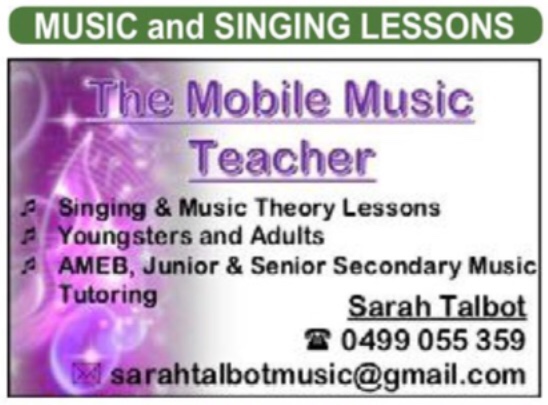
I’m starting up a small business of my own. A little mobile music studio for singing and music theory. It’s been a little difficult getting students; probably because of the price, but given my experiences and the average pay that a music teacher is entitled (workplace laws), it is pretty standard. Will be advertising in the local newspaper soon, and see what comes of things then.
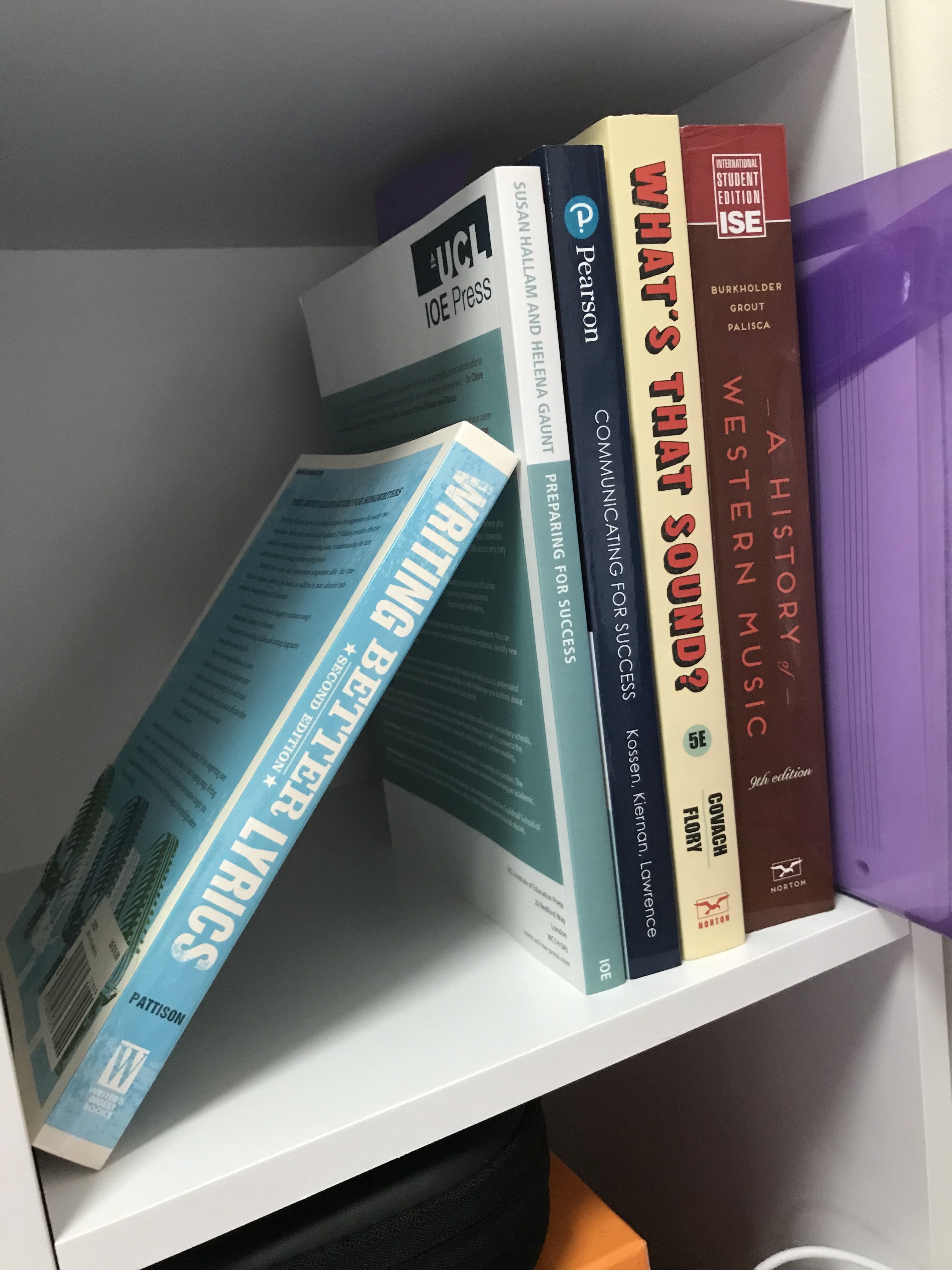
I’ll be starting back as a full-time student at the University of Southern Queensland, studying a Bachelor degree in Creative Arts (Music speciality). I’ve been studying as an online student since June. I don’t think I’ve been going too badly. So I’m doing the full four course come March.
I have also been the domestic and home maintenance goddess lately. Google Home, and rat catching, brilliant combo.
Otherwise, I’m taking to easy… (sarcastic laugh)
Until next time…
A few years ago, I wrote a post about being in a community choir: the benefits, the adventures. Since then, so much has happened and I realise that perhaps I was thinking to small. I know this because of what I have done since moving to London. I have since moved back to Australia to pursue more music avenues, but thought I’d share, and extend on my previous post.
I’ve been involved with choirs, pretty much since I began singing. I started out in school and chamber choirs (smaller versions of larger choirs). I have always sung in the soprano ranges, alternating between high soprano and mezzo-soprano, depending on the needs of the music and sound balance of the choir. Choir structures started out as single line of melody with accompaniment, then progressed to SSA (soprano 1, soprano 2, alto… I went to an ‘all-girls’ school),and then into SATB (Soprano, alto, tenor, bass) when I moved into community and auditioned amateur choirs.
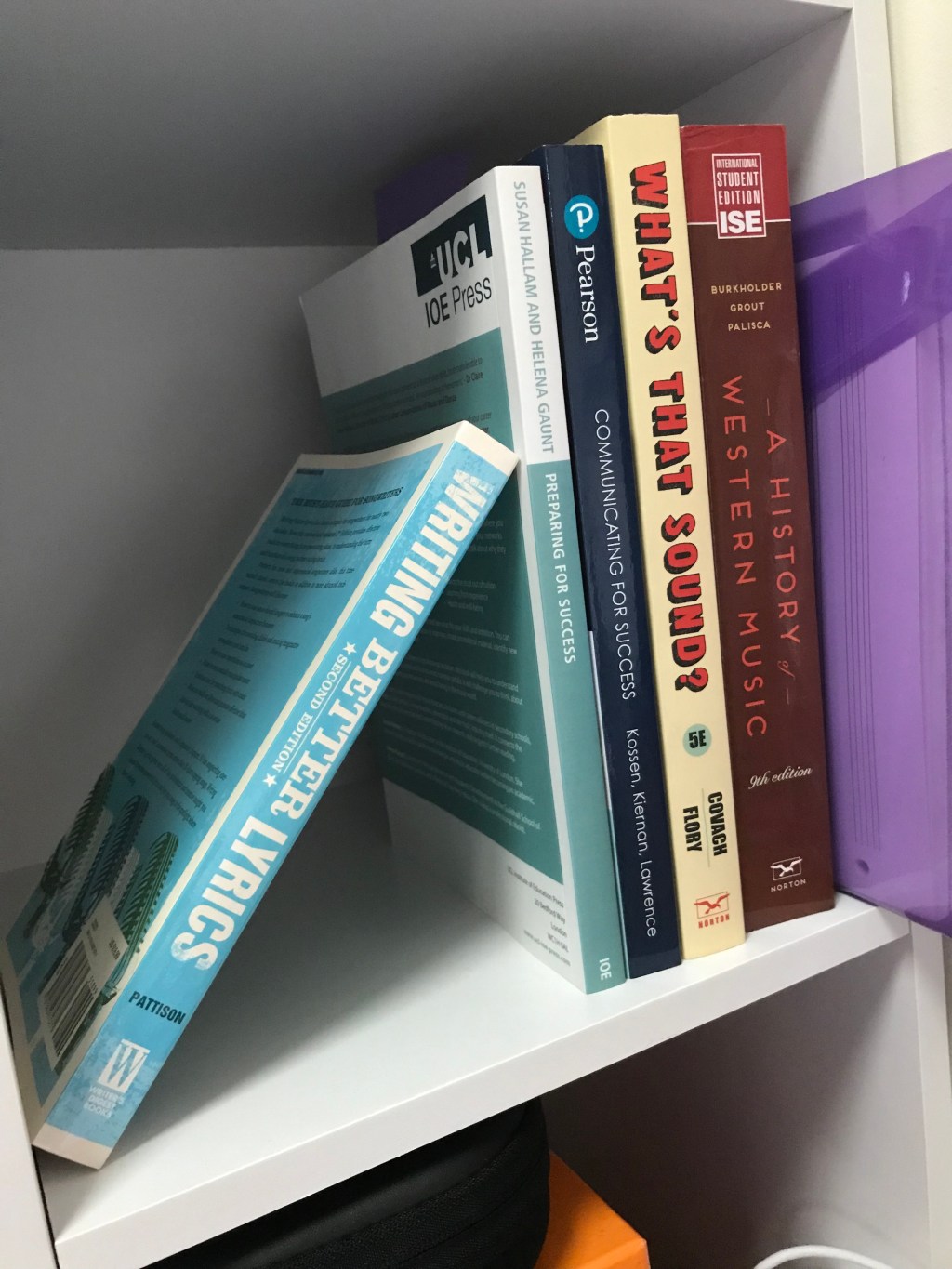
I have always advocated the arts in education and community engagement and participation I have even been a music teacher and later, a Head of Department of Arts in a secondary school. Here comes something that may surprise you all…with the exception of a few board examinations, I have no formal qualifications in Music. Everything I know has been through life learning. That is roughly 28 years of singing, playing, reading and writing music.
Now I’m studying a university degree in music, in order to make the jump from amateur to professional. It’s also to give me some grounding in what I want to do next on my musical career. But I know now that even being an ‘amateur’ can get you to brilliant places just by perseverance, commitment…and a little faith.
Want proof?
Learning the craft
I’ve been involved with community and amateur choirs for over 15 years. When I started in Toowoomba, the local performance and choral groups were (and still are) fortunate to be able to perform in a brilliant theatre complex, the Empire Theatre. It is a proper stage area, with a main auditorium, studio, and smaller performance complex. It is complete with sound, lighting, curtains…the full kit and caboodle.
When I wasn’t performing onstage in the choir or chorus, I was in the backstage booth crammed in with up to 20 other people, with 2 TV screens (one of the stage, the other for the conductor), a microphone (one for each singer), and speaker. I learned how to manage my sound and performing with a microphone, something which you don’t often do in a choir.
Onstage microphones, I admit can be a little annoying, I don’t like tape stuck on the back of my neck to hide the chord of the mic-pack, which is (uncomfortably) hidden in the curve of my back. There was one instance where I didn’t have a mic because I sang a high tone note, that caused feedback in the sound system. Instead, I was placed at the very front of the stage, and when I hit that high note, everyone (onstage and audience) could hear me despite the lack of microphone. So I learned about trusting tone and acoustics to carry sound… also earned my nickname ‘Razor’, because I could cut through everyone else.


I also learned ‘stage etiquette’. Yes, there is an etiquette involved with performing. It does vary from culture to culture, so you learn to be aware…but the general rules include…
The pieces I have song have been quite varied, from a 3 minute ballad to a 2 hour Brahms Requiem. Each piece I’ve performed adds its own challenges, whether its sight-reading (singing unseen music, straight from the pages), language (I’ve sung in French, German, Italian, Latin, Spanish, Hungarian… I’m fluent in none), and the emotional interconnections. I’m not an actor (and if I ever was then I’d probably be a really bad one), but music does require a person to play a part, in depicting a story or theme. That also requires changing the tone and quality of my voice, for example sounding like an ethereal angel with open true tone vowels, to an old hag using nasal vowels and harsh spitting consonants. The trick then is to get a large group of people to sound unified whilst characterising the music. The process often involves a lot of hilarity and joking whilst experimenting with sounds to get the desired result.
‘Oh, the places I go’….
I’m amazed of the places I have been and performed at in my amateur choral career. Some places I could only dream of being in. At the beginning, I thought that performing onstage in front of people was pretty cool, then performing with a full orchestra at Toowoomba Empire Theatre, and Brisbane’s Queensland Performing Arts Complex. In recent years, I’ve performed at The Barbican Centre, St Pauls Cathedral and the Royal Albert Hall in London; concert halls in Paris and Lucerne. Talk about moving up in the world of performing venues.
I got my first taste of recording studios when I was very young, primary school. The city council recorded school choirs for a charity tape, which required us to sing at a single microphone in an empty room. In high school, the choirs were recorded with a similar set up, but the recordings were distributed only within the school (copyright issues). First professional recording session was at Ghost Gum Studios in Brisbane, recording for the Queensland Pops Orchestra. Each member had their own head set, with the backing track and a ‘click’ track (helps to keep us all together). I thought this was it… I’d made it. I was wrong. What is the world most renown recording studio?… Abbey Road Studios. I got to perform and record there…twice with two different choirs.


I can safely say that the people that I have met in my choir life are some of the closest friends that I have. I’m often asked if I have a social life outside of choir. Choir is a social life. We go out for dinners and drinks, and sometimes go out for dates. we talk to each other about home and work life. We support each other through hardships of grief, stress, pain, and illness. We celebrate and share each others achievements. Choir life is a family in itself. We spend so much time in rehearsal and performance, it is hard to be isolated. With music being an often emotional process, we often bear our souls to each other, whether intentional or not. That’s the Art.
Not only do I have close friendships, but I’ve have some pretty awesome professional acquaintances as well, with soloists, conductors and directors. Social media is a brilliant thing to stay in contact, ask advice and professional direction. Who would have thought that I would be connected with some of the most prominent people in the performance classical choral music?
Where’s the $$$?
A downside is that being in community or amateur choirs is that its unpaid. Yes…even the London Symphony Chorus, and BBC symphony Chorus are unpaid for choristers who volunteer their time to rehearse and perform. There is a plus side though…the people who commit to amateur choirs are there for the love of music, not for the money. They want to be there, as opposed to have to be there.
Most organisations understand that we are volunteers, so there are often perks such as transport and accommodation subsidies, discounts at music shops, free performing and recording opportunities, and the repertoire is various.
Advice…


Now I’m no expert in music, or singing or choirs, but this is where being in a choir has gotten me. What lies ahead is anyone’s guess, but what a ride it has been up to here.
This post is going to be a little long, because its about my 1.5 weeks vacation. Its not my usual post about something musical, although it has music in it.
I went up to the north country, with 2 days in Windermere in the Lakes District and Gretna, up to Scotland for a Trafalgar Tour, then another 2 days in York, before returning to London. In overview the countryside is spectacular, especially the Scottish Highlands. So this is what I got up to…
I had to rise at 6am to get to the trains at Euston station. I wasn’t feeling so great due to being a night owl of late. My mind and body didn’t want to get back to being awake during the day and sleeping at night. 2 coffees later, I managed to climb into the train and make it to Windermere. I had to change trains at Preston, which I did ‘zombie-like’, pulling my suitcase up the stairs, across the bridge, then down the other side.
I arrived at Windermere, feeling a little worried being suddenly without public transport, then remembering the iPhone maps (that’s how sleepy I was), and walked to my accommodation for 2 nights, Green Gables Guest House. I was welcomed by a gent with a gleeful smile. He was up for a yarn, and asked questions about my doings in London. At this time, Australia was deciding on a new Prime Minister, so discussed that. The goings on of politics, religion and cultural importance…I’m up for it.
Once I’d settled into my room, I needed to take a breath, so went and found yet another coffee, and had a wander through the town (or village…I can’t really tell the difference between the two) and came back to the Guest House. My room was a single room with its on ensuite. I also had the front window at ground level, so I could see everything on the street. It rained on and off. I had to buy a proper raincoat, as I destroyed my plastic-bag poncho with the zipper of my bag. The guest caretaker that it’s normal apparel for folk in these areas, so I didn’t look quite like the tourist.
Windemere is quite a picturesque town, with its village-like quirks. I’d call it ‘dinky’ or cute. It is also the home for the Beatrix Potter exhibit (author of Peter Rabbit and stories). She is a much loved lady of the lakes. Helping to preserve the country-side from industrial and urban development.


I visited the small lakeside harbour of ‘Bowness’ on Windemere Lake. What a beautiful location. I had a conversation with a few swans who thought they were going to get a feed. They were so close that I though one was going to have a go at my pockets. Stand my ground….No food!
I made a visit to ‘Hill Top’ farm. Her country home until she got married to the village barrister. It is still a working farm (sheep). The house itself has been preserved in its state that Beatrix left it. So it’s like walking into a time warp. China, doilies, old-school fireplaces. Its very homely. The countryside is absolutely stunning. I can definitely see why she preferred the countryside to London, and why she eventually moved there permanently. I bought a ‘Peter Rabbit’ and a book about her life. I’ve always like the movie that was done about her (‘Miss Potter’).


Time came for me to board another train. Unfortunately, there were rail strikes happening and some trains had been either re-scheduled or cancelled altogether. I had to catch a bus (which was supplied) for the first leg of the journey, then hop a train to Gretna Green. I walked 10 mins to my next stay at Surrone House.
So Gretna Green is famed for elopers, because it’s in Scotland, just over the border in fact. Nowadays, it’s a wedding location, and is particularly busy during the spring and summer. Went to the Blacksmiths Workshop. At the time, there was a wedding going on but they let us through the museum so we could see the ceremony happening over the Smiths Anvil (its apparently lucky). I also discovered a really nice ‘ladies’ whiskey. Bruadar…whiskey with honey and sloe added in. I don’t know if I’ll be able to get it in Australia (sad face).


So Surrone House… a double bed with my own ensuite again…very comfy. I haven’t been in a double bed since leaving Australia, I loved that my feet didn’t dangle over the end, and that I could stretch out without falling out of bed. The caretakers were extremely nice. I talked to them about my goings on (it’s as if they don’t get a lot of ‘Australians-living-in-London’ through the area). They were kind enough to offer me a ride to Carlisle (on the English side of the border) to catch my next train to Edinburgh, as it was pouring down rain. I would have had to walk through it with a big suitcase and backpack on…they didn’t have to, but they took pity on me. Many thanks to them.
So I arrived in Edinburgh, it was still raining, with the sun trying to break through. I made my way to the Novotel and checked into my room. I met my roomie, Selina from Las Vegas, US. The hotel staff thought we knew each other, not considering that we were just two women travelling on our own, but ready for an adventure, or two. That night, we had a meet-and-greet event for the tour group that we were travelling with. I group of predominantly Americans, with a few Canadians and Aussies added to the mix. We were lucky that our tour director (Malcolm) and coach driver (Grant) were Scots (apparently other tours are not so lucky to have the local knowledge). Grant told me a story that he can drive a coach better than a small car. He like to turn using a wide berth…lol. He definitely has ‘getting a huge couch through the smallest of spaces’ down to an artform.
Supper was at a medical school library. It was a bit creepy eating in a room that is lined with books about ‘Colonoscopy’, ‘The Management of Heart Disease’ and ‘Pathologies of Breast Cancer’…
The next day, we had a city tour, seeing the sights including the Palace of Holyroodhouse (royal residence) and the statue of the ‘loyal dog’. After a group photo, we went to Edinburgh castle. They were just starting pack-up the staging and seating for the annual Tattoo (finished the night before). There was a lot of fireworks being set up for that night though. We got to watch them being launched into the night sky on our way back to the hotel.
That night we went to ‘A taste of Scotland’ show. Dinner was served, followed by entertainment of Scottish singing, dancing and instrument playing. Bagpipes, accordion fiddle… great night.


The next day we went to the birthplace of golf, St Andrews. It is also the location were William and Kate (Now Duke and Duchess of Cambridge) met for coffee during their courting. I never been one for golf. I don’t understand how hitting a little white ball with a long stick is relaxing…especially if you cant hit the darn ball in the first place. I bought some tartan wool scarfs instead of golf balls.
I also got to go to Rosslyn Chapel. Fans of ‘The DaVinci Code’ will know what this place means to the Christian faith. It is the chapel of the St Claire family, who is thought to be direct descendants of Jesus. It was quite a beautiful chapel. I did find one thing that was overlooked by most people… a cat asleep in the pews. His name is William, I sat there petting him for about 10 minutes, he didn’t seem to mind…in fact I was a little worried that he wasn’t alive. Don’t worry, he was. Just ignorant of the people waking around him. I bought a stuffed toy cat from the store. What can I say?…I love cats.
We were slowly making our way into the Scottish Highlands. Those hills and mountains with running streams and waterfalls. The movies do not exaggerate this scenery. I loved it.
We stayed at the Laggan Gaskmore Hotel (for 2 nights). It was really isolated with a small village nearby. Internet was only available in the main living areas of the Hotel. I didn’t really mind being disconnected from the world. I don’t think my iPad or iPhone have been more silent for the two nights that I was there. The living areas were so comfy. If we didn’t have anything to do during the day, I would have been quite content to sit by the fireplace with a book and whiskey for the whole day. Just peace and quiet, and the beauty of the landscape that we found ourselves in. I got to know a few more people better during this time; Christine, Kitty and Marta from the US; Grant, Margaret, Jamie, Nadine and Jenny from Australia; and a couple from Canada. We chatted about ourselves by the campfire whilst having a whiskey (or two…ok, three or four) before bed. More mischief in a larger group, right? They were very interested in my musical doings in London. Really confused the Aussies when I said that I’m from London, yet still showing my Aussie accent…required some explaining.


We went to Blair Castle, huge-ass castle fully decked out in furniture and artefacts of the time, including the biggest collection of weaponry and china sets I’ve seen. So they were either ready for a huge tea party, or a war…maybe both. Every hour, a piper would come out and play; rain, snow or shine.
The tour then traced the steps of ‘Bonnie Prince Charlie’ and the Jacobite rising (Outlander fans rejoice). We stopped off at Glenfinnan, where the monument of the rising is situated. It is also the location of the railway bridge that is often seen in the Harry Potter films, and the landscape that is used often in TV and film (Outlander, Braveheart).


We then travelled over to the Isle of Skye. Just like the folk song, we travelled over the sea to Skye, we used a transport barge instead of a paddle boat though. We boarded the boat and watched the crew load up the vehicles. I trying to work out why the buses were positioned in such as way, then I realised that they have to keep the barge balanced (silly me). It was a bit of a windy day, and unfortunately me and boats are not on friendly terms (and I didn’t take my seasickness pills). I spent most of the trip on the top deck in the wind and rain. I’d rather be wet and cold, instead of being green and disgusting. Only 20 minute trip though. I felt better once we were back on land. We had lunch at a fishing village before crossing the ‘Bridge of Skye’ back to the mainland.
Of course, if we’re on the trail of the Jacobites, it was going to lead us to Culloden. This place is classified as a war cemetery and has been preserved as such. They had flags marking out the Scots and the British forces, memorial stones for the clans that fell (Clan Fraser was there). I had questions about why this battle was such a big deal. This battle and its loss, essentially ended the Highland way of life, wearing of tartan (unless you were in the armed forces) and forbidden to play the pipes (though I’m sure a few rebels would have played still). It also ended any Scottish claim to the British throne, with Charles fleeing to the north and eventually to the continent. William of Orange remained on the throne. I’ve been catching up on my royal and dynastic houses of Britain in the two years I’ve been in the UK. Viewers of ‘Outlander’ will have some idea about what happened at Culloden, a few fictional aspects added of course.
Talking about ‘Outlander’, we went to the place that inspired the location of ‘Craig na dun’. It is the standing stones outside Inverness, ‘Balnuaran of Clava’. I touched the largest standing stone, just in case I time-travelled and found a hunky highlander on the otherside… no such luck. Ha!


We made a visit past Eilean Donan Castle, the most photographed castle in Scotland. Its been used in movies such as ‘Entrapment’, ‘Elizabeth’… google it. Very long list. It I still a working castle with a household in residents, so we didn’t go in. Very picturesque with the surrounding area.
Loch Ness. Didn’t find Nessie (sad face).
We then began travelling out of the Highlands via Glencoe. Movie goers would know this place as the location of ‘Skyfall’. Our tour director in his humour even played the theme song of the movie as we travelled along the winding road. There were waterfalls coming down the side of the mountains, and even pulled up to take some pictures of streams and the green fields. We got to see Ben Nevis mountain (highest point on the UK island).
Next stop was Loch Lomand. The largest inland body of water in Scotland. Also home to the legend of Rob Roy (there was movie made of Rob Roy, starring Liam Neeson). Even had the cave that he hid in marked out. It’s a bit hard to miss when the word ‘CAVE’ is etched in the stone next to it. I thought that was funny. I liked the small villages that dotted the waters edge
We were nearing the end of tour together, arriving in Glasgow. Had a quick drive around the city stopping at the ‘Commonwealth Fountain’, which is the largest working terracotta fountain in existence. Glasgow is in a bit of a resurgence, moving from an industrial city to a more broad base entrepreneurial city. They even copied the ‘Sydney Opera House’. They squished it down, and nicknamed it the ‘Armadillo’. Love it. We checked into the Crown Plaza Hotel for the next two nights…there was a bar there, and considering most of us had developed our taste for whiskey, that became our nightcap location. We had dinner at the Corinthian Club, which has some stunning architecture on the inside and outside.
Stirling castle has the most beautiful views, but then it is on the high ground looking down on the town of Stirling and surrounding farmland. We heard stories of Rob Roy, Mary of Scots and William Wallace (or Mel Gibson in ‘Braveheart’).
Glengoyne whiskey brewery… I may have gotten a new alcohol to like. I learned how the make it, and keep it. Even saw the giant customs lock on the special area, where they keep the duty-free whiskey. I may have left the brewery a little more tipsy then when I went in. Made friends with ‘Scotty’, the brewery tour guy.
Bannockburn battle field. A little added bonus that our knowledgable tour director added in. Bannockburn was were the Scots charged the English, and won their right to be an independent state (the end of ‘Braveheart’ explains this better). There is a monument to ‘Robert the Bruce‘ and a large flagpole flying the Scottish flag (the white cross on blue field).
For our farewell dinner, we went to Ledard Farm. A working Scottish farm next to a lock (or lake). The farm has a history of famous figures making appearances in the feasting hall, notably Rob Roy. It is run by a father/son team who also play and sing professionally. We were greeted at the gate by both, one of who was playing the pipes in full Scottish regalia as we entered. We ate, and sang together. I got nominated to conduct my side of the hall in a group sing-song (don’t know why…lol). I had (at this point) consumed two glasses of wine, so I think I made a real hash of it. I won a bottle of whiskey….the worlds smallest bottle of whiskey (its listed in the Guinness Book of Records). We had a fun night together.


We got back to the hotel and began to say our farewells, swapping Facebook and emails. Chatted to the tour Malcolm and Grant, and thanked them. It would be me, if I didn’t leave an impression, right? Shared whiskey and wine with folk, then went to bed. I felt sorry for the few that had to get up at 2am to get the airport (I’d fire the travel agents). I got up at 7am, and said goodbye to Selina (room mate). I travelled to the train station and headed to York.
I stayed at the Crescent Guest House, which was pretty central to what I wanted to see in the old city. I got a bedroom and ensuite on the top floor (converted loft). I could stick my head out of the rooftop window. lol. I got in around lunchtime, and needed a nap. I went out and found a pub meal. I needed chill time to wind down from travelling.
The next day, I went for a walk around the area, and find what I could find. I found ‘The Chocolate Story’, how could I resist such an enticement? The attraction gave information about how chocolate came to be, and how it ended up in York (Cadbury and Nestle companies got their starts in York). We got to sample the chocolate bean in its various stages of processing. At the end we got to make our own confectionary, and then watch chocolatiers making confectionary for the store downstairs. I stayed for another half hour with another woman from Scandinavia and chatted to the two guys who were making chocolate.
The next place I went was ‘The Shambles’, inspiration for ‘Diagon Alley’ in Harry Potter, in fact there were three Harry Potter stores there, including a store called ‘The Store that shall no be named’…not kidding. There were also a lot cute stores in the shambles. It was kind of a tie-warp, with the cobble stone streets.
York Minster, the local cathedral. A must-see for all travellers. I kept to my tradition of lighting candle and giving thanks (as I do in churches and chapels I visit), then at the behest of my parents, I climbed the tower. I was alright going up, but freaked out on the way down. Need a time out in the pews, where I chatted to a priest that was walking around. Thought I looked troubled…I’m not troubled, just in the throws of a panic attack. The stairs were very narrow, I got vertigo looking down. Anyway, I took some pics at the top as evidence that I made it to the top.


Time came for me to return to London. Ironically, it started to pour down rain. I don’t know if someone was telling me that I should go home, or sad that my holiday was at its end.
In review
Well, back to real life…. until next time 🙂

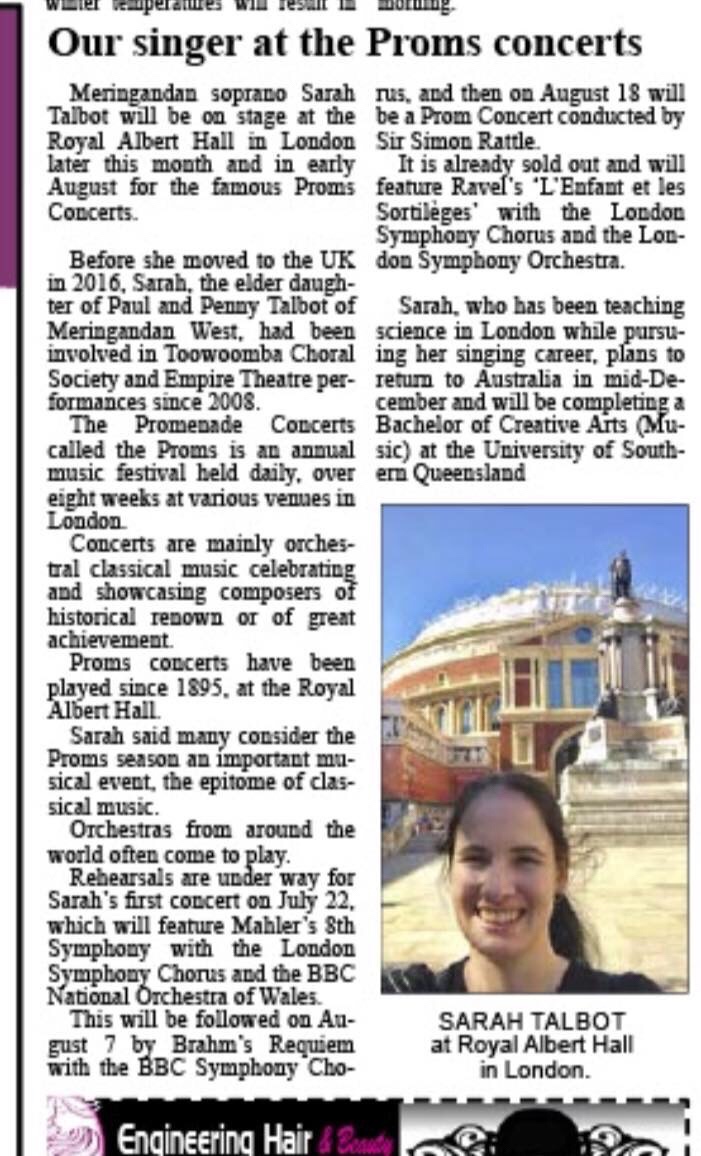
My blog posts seem to be getting few and far between, but rest assured I’ve been keeping busy. As of late, I have been performing at The Proms.
For a ‘small town’ Australian woman, with no qualification (save experience) in music, to be asked to perform in the festival is a boon. Even more so, since I get the perform there on 3 separate occasions. So this post is about my experiences in each performance, which are unique to each other, as the various pieces that we performed.
So what are/is The Proms?
The BBC Proms is an 8 week classical music festival held predominantly in London. Orchestras, ensembles, bands and choirs perform pieces by composers that are well-known, celebrated or infamous. This festival has been happening annually since 1895. Large performances take place at the Royal Albert Hall (since 1944), and are often broadcasted live over BBC Radio (BBC RADIO 3). A few concerts are also televised on BBC Music channel (BBC4). With the development of social media, a few concerts are placed on YouTube.


Many music lovers (particularly classical) consider this event a ‘must attend’, and is on the bucket list to experience. Performers in orchestras, and singers consider the festival one of the high points of classical music, with performers coming from around the world. Recently the festival, has included a few contemporary acts that include ‘canons’ (my university professor would be proud that I used that word) of jazz etc, in order to showcase the variety of music in the world stage.
So how did I get in, as a performer?
I mentioned in a previous post that I auditioned for the BBC Symphony Chorus and London Symphony Chorus (previous blog). I wasn’t successful for the first, but was successful for the second.
Both choirs are amateur (unpaid) in membership but professional in quality, and as such, when the opportunity came to perform at the Proms…I wasn’t going to miss it. Even more fortunate is that I was given that opportunity 3 times.

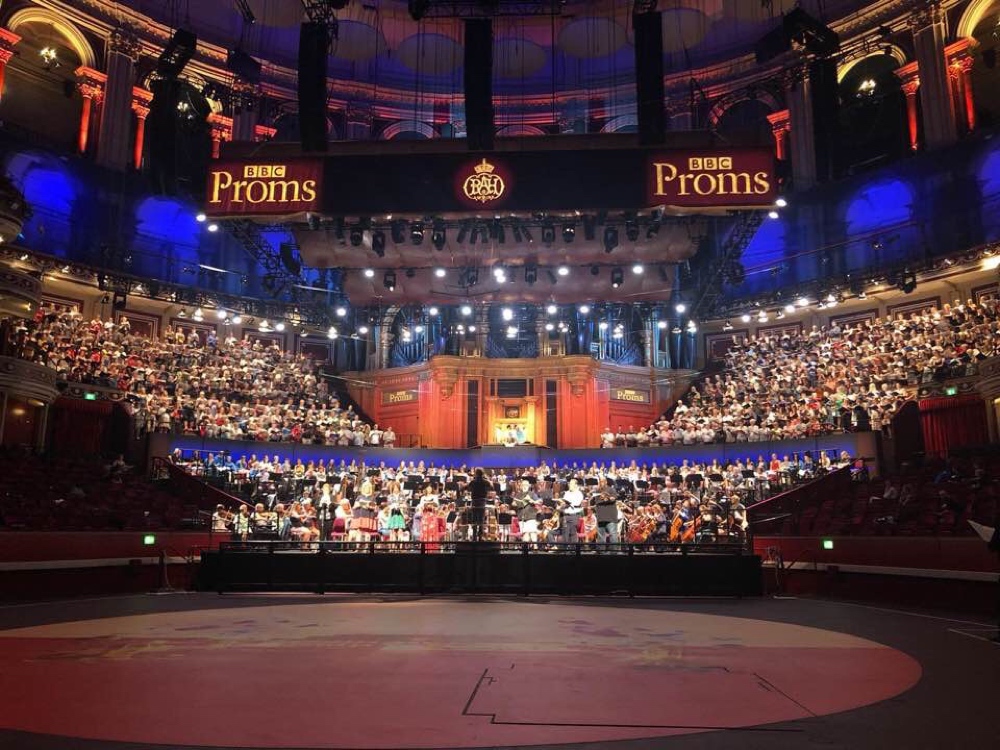
1st Concert – (Prom 11) Mahler’s 8th Symphony ‘Symphony of a Thousand’ (Example: Audio)
This was rehearsed and performed in Germanic Latin and German. Though the choir doesn’t sing a lot, what we do sing is quite powerful, especially when there is close to 650 performers on stage. We began rehearsal for this early on, as there are 2 choirs divided into up to 8 parts (so that makes it up to 16 parts), and that’s without the addition of the children’s chorus (which is another 4-6 parts added in).
I was with the London Symphony Chorus as a 2nd Soprano. The first challenge was to get around the language. I did not study European languages at school (I studied Japanese), so thank goodness for the linguistic magics of Norbert Meyn.
The choirs rehearsed at their own rehearsal venues till a few days before the performance, when all choirs united in a single venue. It could have easily have fallen apart, but we persevered with good humour and put it together. It helped that our chorus master for this project, Neil Ferris, also lead the BBC Symphony so at least two choirs were on the same page. The next days was full rehearsal with orchestra and soloists.
So the day of the performance, the Royal Albert Hall…. OMG!!!! when I first arrived in London, I took the tour and got to see the public areas. I thought that it would be awesome to perform here, but likely that I wouldn’t… (little I knew at the time). I was issued a pass during the last rehearsal so I could move in and out of the venue as a performer…meaning that I could go backstage (or underground, in this case). I went out into the hall not as a tourist, or a spectator, but as a performer. I was a little awestruck.


Final rehearsal went off without a hitch, and then they fired up the gigantic Organ. I had never heard it before…talk about the hair prickling effect. The performance was broadcasted live on BBC Radio.
2nd Concert – (Prom 33) Brahm’s ‘A German Requiem’ (Video)
So…strange story with this one.
As I said earlier, I auditioned for BBC Symphony Chorus and was unsuccessful. There were justifiable reasons for this, which is fine. It’s how I got better and better prepared for my future auditions. At the time, my sight-reading skills were not up to par, but with practice I have gotten a lot better (it’s almost ninja reflex now).
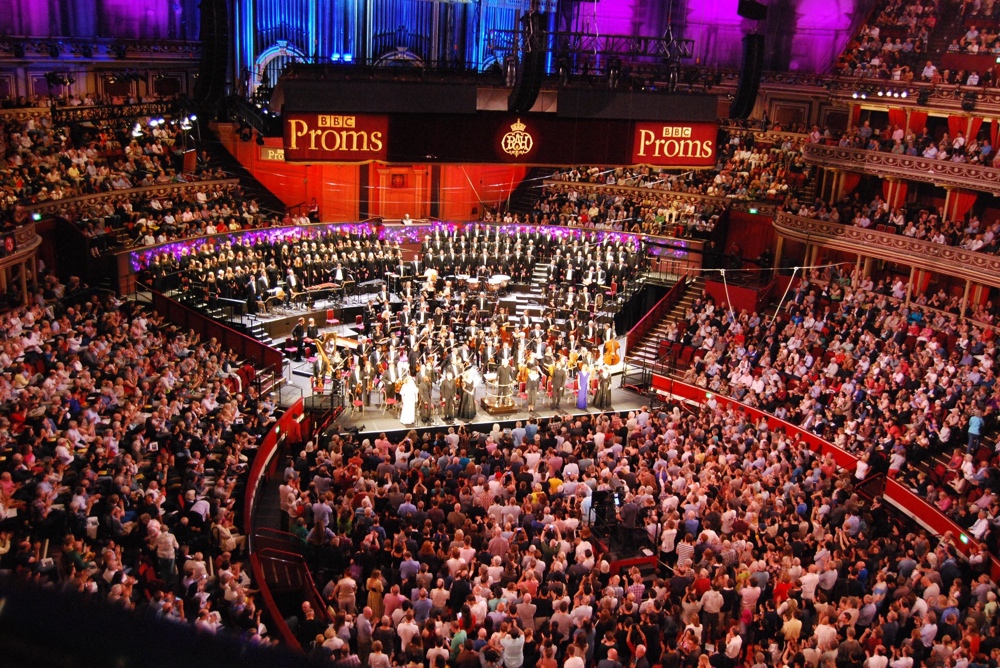
I got a second chance at this choir, when in January, a call was made to choirs in London looking for singers to join and assist BBC Symphony Chorus for the Brahms Requiem. London Symphony was one of these choirs. A small group of us (some sopranos and a few tenors) went over to the Maida Vale Studios and rehearsed and performed in a studio production. It was awesome being on the radio, and we were invited to perform it again with the BBC at the Proms (may as well, since we already knew it, right?).
So after a break post-January performance, we re-convened at Maida Vale Studios to re-acquaint ourselves with the text. Norbert was called back in to make sure we were strong enough in our German. Neil was also our chorus master for this project (being the principal Chorus Master for the BBC Symphony Chorus).
This piece is a vocal work-out for choirs, standing and singing for over 65 minutes. Even though soloists are integrated into the piece, the choir is the centrepiece. You could almost develop toned abs just by the use of breath and muscle control. I was definitely a little sore and really exhausted after the performance, but due to adrenaline we did it twice in one day (one rehearsal, one performance). I was singing 1st soprano for this (which separated me from most of the other LSC members, as they were singing 2nd soprano). I didn’t mind singing under the BBC Symphony banner. It’s all for the experience, right?
Another new factor to add to the rush, was the fact that at the time of performance, London was experiencing a heat wave. The city is not built for heat….and we felt that onstage. It was gracious for organisers of the concert to allow us to have a quick slug of water onstage during the performance. If we didn’t lose weight from the singing, we did so with the heat (I should be used to it, being Australian. But even I was feeling the effects).
This performance was recorded and broadcasted online and on TV, so I made my debut on the BBC television, as a performer…YAY!!! It was also broadcasted live on BBC radio.
Preparation for this, began before Brahms performance, we were required for a weekend of intensive learning of this piece, mainly because of commitments of choristers and the chorus master… we needed to be at least be familiar with the piece when we came back to it after a month. We were (at the time) involved with Mahler 8, and for some…with Brahms. So a weekend of French and timing…and a little socialisation (why not?…). We wanted to be on top game when we came back to it.
Straight after the Brahms, I was back in rehearsal for the next Proms undertaking, Ravel’s “L’enfant et les sortilèges”. What a strange piece for a choir. It makes sense when soloists are added in, but I was a little ‘weirded out’ by all the onomatopoeia. We took on a few strange characters, such as irritated children learning arithmetic, or animals in the forest (I think I was a cricket). The piece has a beautiful choral part at the end…so we get the final spotlight…heh, heh.
I returned to London Symphony normality with Simon Halsey as our chorus director leading the way. We had a lot of help with Mathew Hamilton and Benjamin Goodson. We also had the linguistic geniuses of Anita Morrison, Rebecca Outram and Robert Rice, for this project. We song it in French, which meant I had to get my tongue, teeth and lips around a different language.
We also returned to our beloved orchestra, the London Symphony Orchestra (fresh from their tour). We always have interesting conversations and comments from members of the orchestra (more so from the percussionists, because they’re close to us). I like that they don’t make us feel isolated, and that we’re a team under the same London Symphony banner. Its harder to communicate with other members but its a starting point (I followed a few of them on Twitter).
We also returned to the baton of Sir Simon Rattle. I love Rattle, in that he is so ‘down to earth’, and takes everything in his stride with good humour and patience, despite the mistakes that we make (we are an amateur chorus, that strife for professional quality). My debut performance with London Symphony Chorus was actually conducted by Rattle, so I feel that I’ve come a full circle considering that I have to leave at the end of the year (I won’t get the opportunity to perform with Rattle again). It feels like a closure.


OK. Back to the performance. We needed to sit and watch during the first half. We weren’t required till the second half….then there was this almighty sneeze!!!! Mother of all that is holy!!! The orchestra kept going despite the audience making a snigger and grumble. Good on them!
After interval, it came to our part, and I think we sounded ok….at least by the radio broadcast. This performance was also be broadcasted on TV…and I hope…will make it to YouTube, so my friends/family can see it.
So I looking back…
All 3 performances were brilliant in my eyes. I stepped into the amazing red hall in front of people that love the music and are willing and listening. I don’t tend to read reviews of performance (though there are plenty of them that record the good and the bad), in the end, it is the personal achievement and experience of it all that I feel that is important to a performer. I think this for choristers, soloists and instrumentalists. I might be seemingly naïve, but as an Australian from an obscure city, with little official qualification (aside from experience)…to get here…I’m extremely proud of myself, and grateful to those who gave me the opportunity.
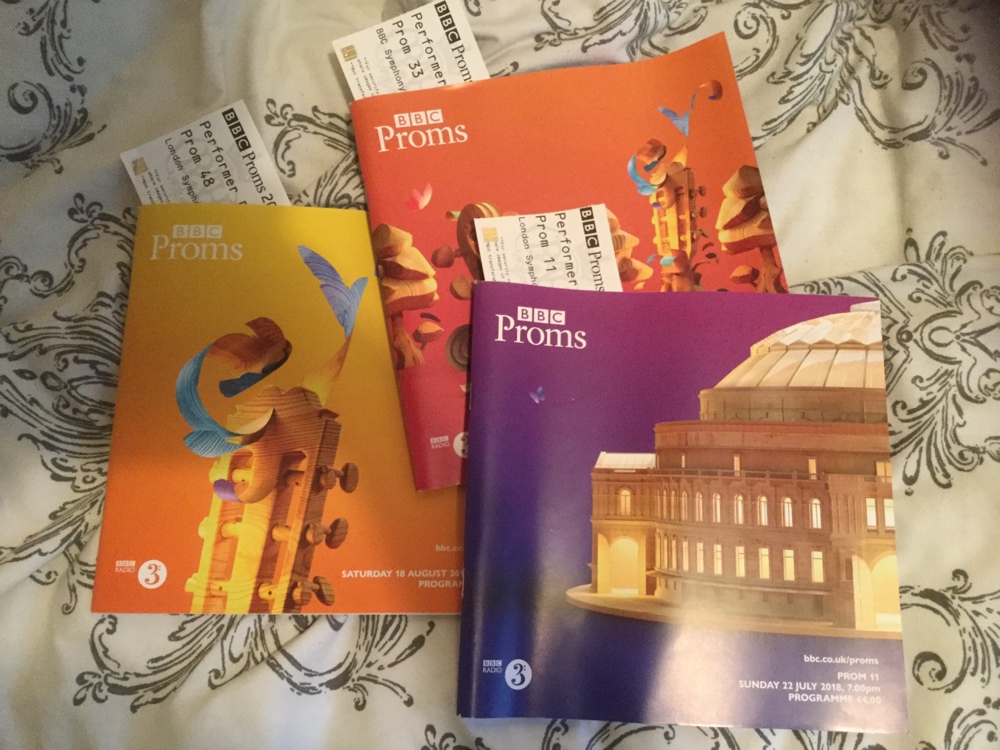
I have ticked another item off my bucket list…performing at the Royal Albert Hall. I kept programs as evidence. I never know… maybe in my ‘grey days’, I can say that I performed at the Royal Albert hall, with world-class choirs and orchestras, and world-class people.
The bonus is that I got to do it 3 times. I am hoping that when I return to London in (hopefullly) 3 years, that I will be able to continue to perform in these glorious venues, with the brilliant people who I get to meet and befriend. I am very sorry to have to leave them, but I take away with me their friendships and experiences. I hope that makes me a better person, performer and singer.
Until next time intrepid readers…
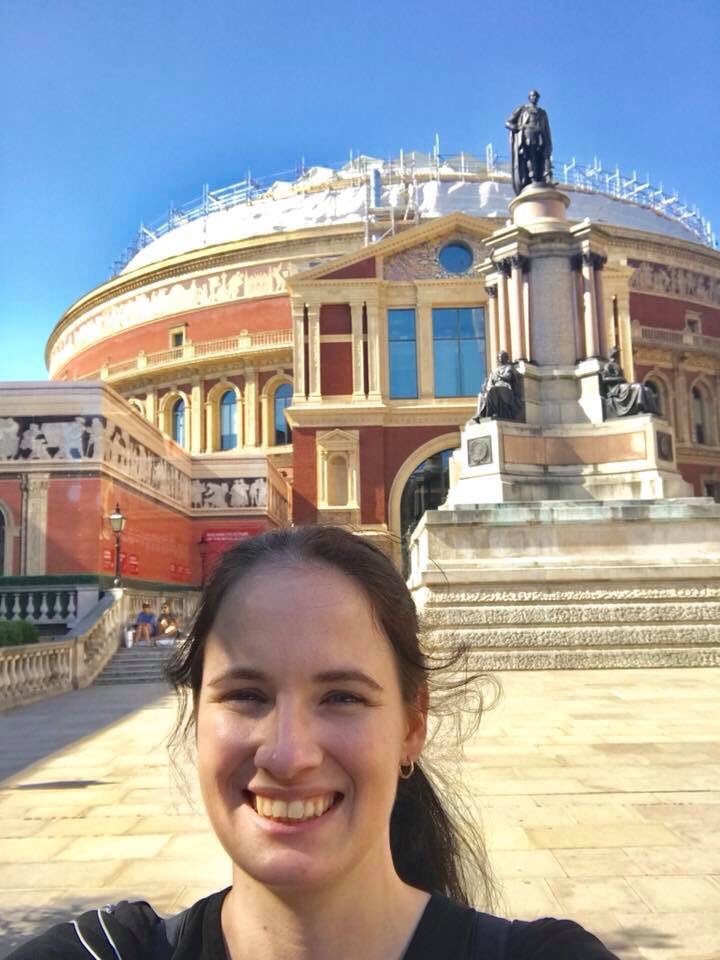
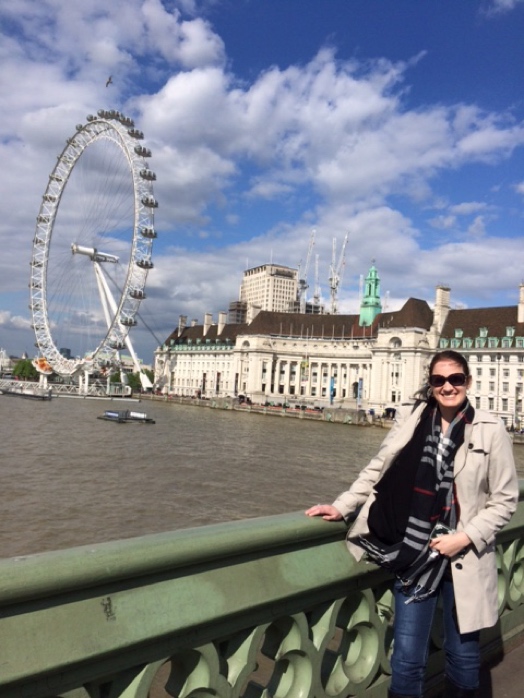
So I have been a little busy doing a lot of music stuff, and preparing to move back to Australia.
Yes, you read that correctly. I am moving back to Australia. There are many reasons why, but the main reason is that I need to find a new occupation (day job). I am also undertaking study in Music, so I need to return to complete these studies. But fear not, intrepid readers. I will be returning to London in about 3 years. I will be able to go back and forth until then, so if opportunity arises I will come and visit you all again in between.
Moving on from that, I have been doing a little recording. I’m not talking about my following on ‘Smule Sing!’, which is growing. I am working on some original work at Regent Street Artists Studio (formerly Berwick Street Studios). The experience has got me thinking about the different forms of recording that i have done over my time in choral and vocal music.
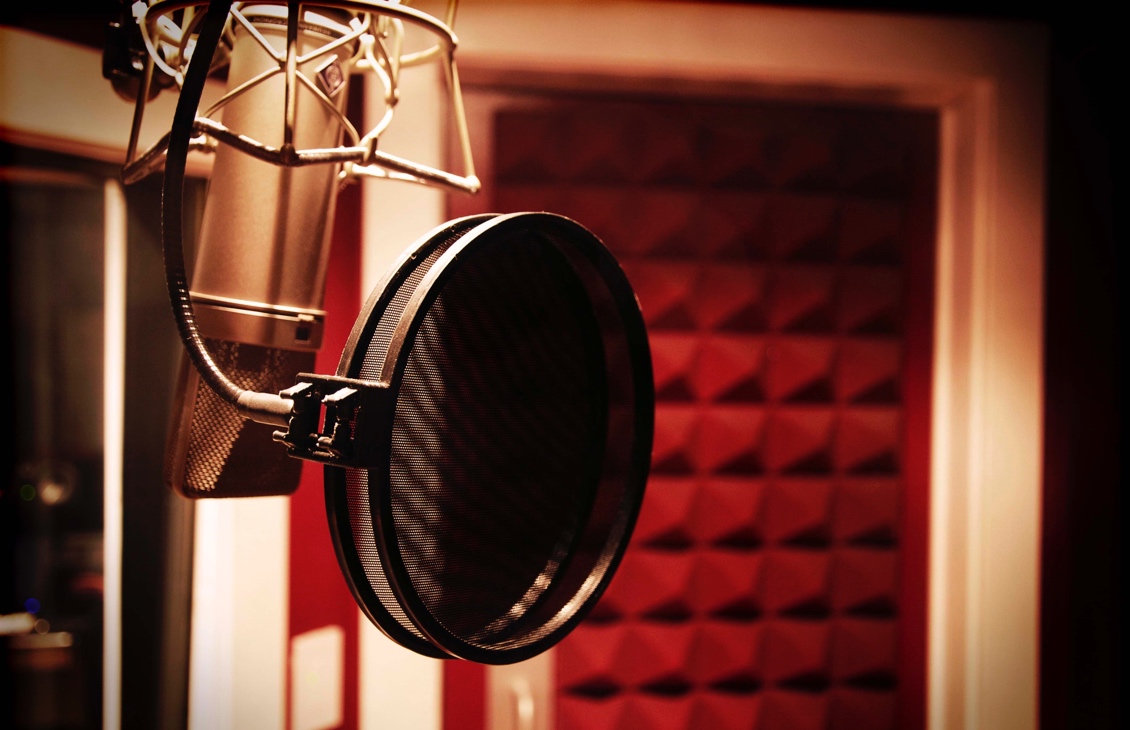
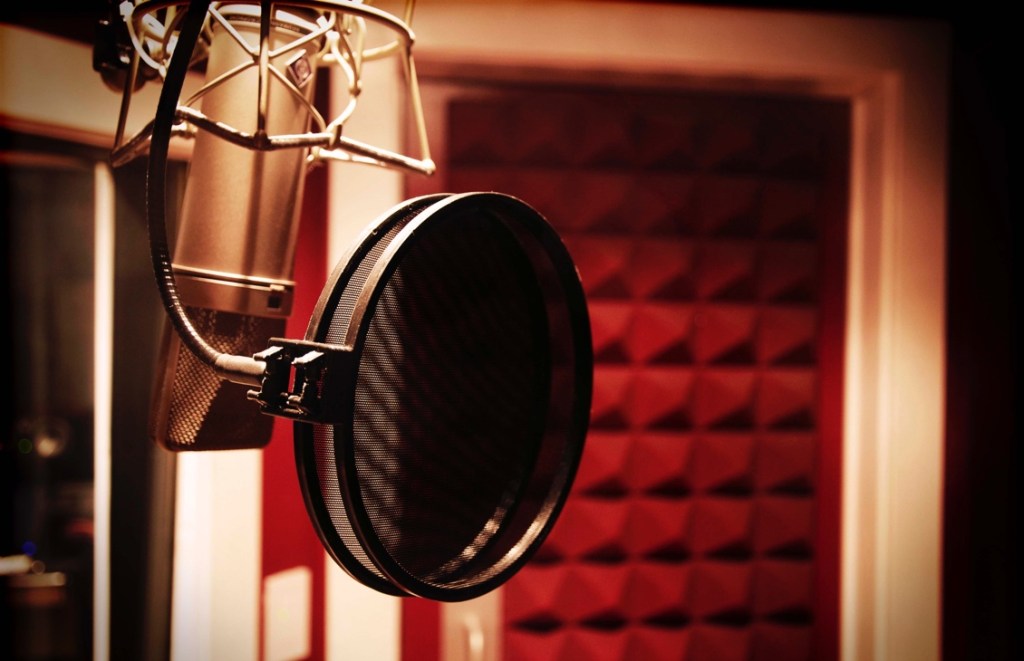
Earlier this year, i auditioned and was successful into an EP recording program. Excited and a little scared, I decided to give some solo work a go.
The newest experience was stepping into a very small confined space with a microphone and music stand. The room is covered in foam with exception of a glass window so you can communicate with the producer. It was a little daunting to start with, but I got used to it. It wouldn’t be so good for claustrophobes, but luckily I’m not one of those. I didn’t really know what to expect when i went in, and it took a while to get comfortable working with my producer (I can be a bit hesitant in strange situations). He composed the music, I wrote the lyrics, then things came together. The first song is almost done, and we have another to work through. Then the PR team will take over with photo shoot, and release. NOTE: songs will be released close to the end of the year. I’ll let you know details, closer to the time.
I still record on ‘Smule Sing!’, using only my iPhone headphones and mic. Amazing app that it is. I’m edging toward 5K followers and over 12K recordings (that includes all solos, duets and play tracks). I sing a lot. Though this not not the ‘professional’ way of music, I still use the recordings as samples of my singing, and a great way to practise. I get a lot of enjoyment singing with and hearing from people from all around the world.
Choral recordings I have had experience in different forms, from live performances to studio sessions. Being in a group, I don’t feel so exposed. Knowing that you’re being recorded though (particularly in video), can be a little distracting. I try to ignore it, and pay attention to the person that matters the most…the conductor. In a live broadcast performance (streamed onto Youtube, or radio) you only have one or two chances (maybe some pre-recording during final rehearsals) to get it right. Dealing with acoustics, drop mics (mics that come down from the roof. They look like snakes), standing mics, balance of instruments, and blending of the choir. After which if it’s not right, then you’re stuck with what you’ve got. This must be particularly difficult for producers and sound engineers when trying to cater for both a large choir and orchestra. My hats off to them.
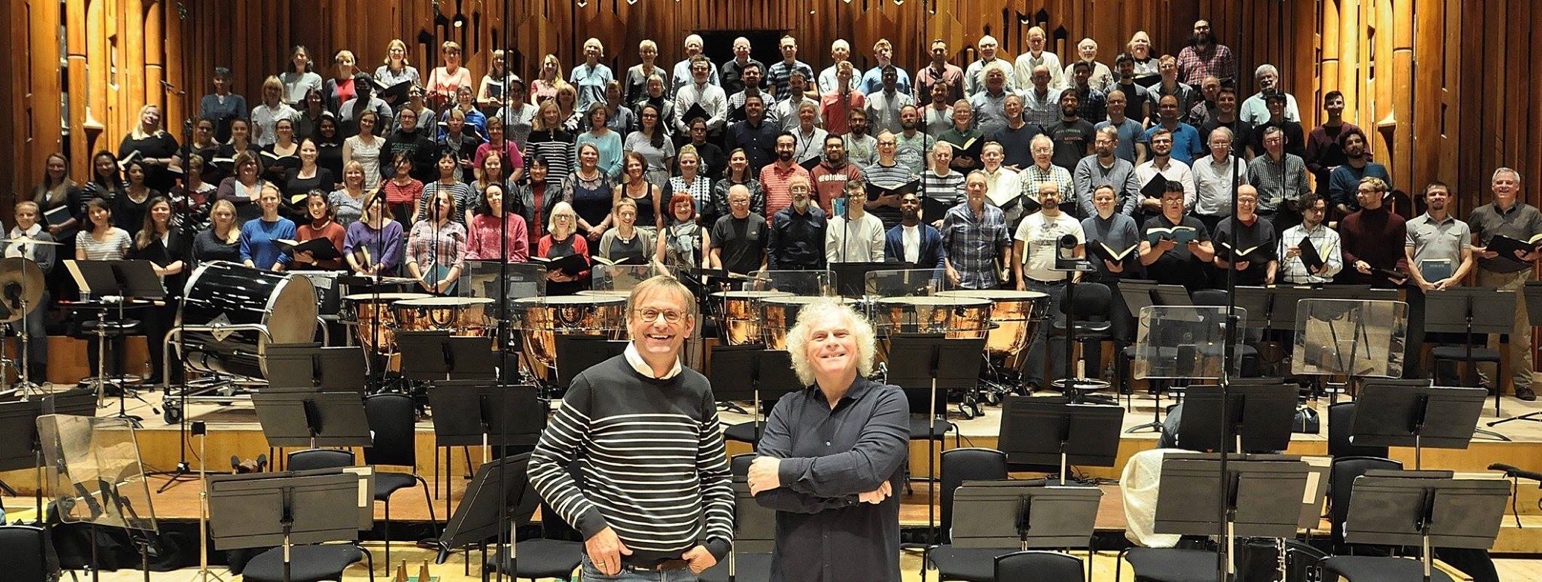
Putting a choir into a studio is a different experience again. Though its not as nerve-wreaking, finding myself at Abbey Road Studios was….awesome! Knowing about the people that have walked through those doors and recorded music. Not just the Beatles, but the like of epic orchestrations such as The Lord of the Rings, John Williams with Star Wars…just to throw some names in there. In fact, if you watch the behind the scenes on your dvd, you will probably find one or two that were recorded at Abbey Road. There was an entire feature of it in the documentary ‘Score’ (its worth the watch if you’re interested).
So finding myself in Studio 1, not once, but twice…(take a breath). One of these days was even more special because it was snowing, so I literally slid down the hill from the station to the studio. I took a video and posted on Twitter, and got a lot of likes, including from Abbey Road. Never thought id ever be here.
The set up and and sessions are different, requiring patience and consistency. Not an easy feat if you’ve been singing for close to three hours and you’re getting tired. Similar to live performances, engineers and producers have to make sure they get what the want, before moving on. At least in a studio, they have the virtue of being able to do multiple takes. They’re also able to manipulate the backing tracks by adding and subtracting items, such as click tracks to help keep us in time, and reverb to make us sound awesome.

So I was there recording an album with the London Symphony Chorus and Orchestra (due to embargoed release, I’m unable tell you further details at this time). The other session, I was there with the West End Musical Choir recording some sampler songs and a promotional video.
So through these experiences, I’m learning the different types of recording. Each used for different purposes, but share the ultimate goal of providing quality sound and recording for an audience.
I’m sure going to miss this when I leave…
Until next time…
Toowoomba singer shines in London choir | Chronicle
https://m.thechronicle.com.au/news/toowoomba-singer-shines-in-london-choir/3319106/




 Sarah Talbot